Insights
Why the future of our planet is a behaviour change communications challenge
We're kicking 2026 off by bringing you the third instalment on how the principles of psychology can be a powerful tool for creating copy, content and campaign strategy - with this final article focusing on sustainability and communication challenges.
Creative Concern has been communicating sustainability challenges and solutions for over 20 years. In recent years, the impact of climate change is becoming more visible in the media and public eye. Despite this, driving sustainable actions can be a challenge.
Why communicating sustainability is a challenge
Our brains evolved to prioritise immediate survival - finding food, avoiding danger, securing shelter - not to evaluate risks unfolding decades in the future. That’s why long-term sustainability goals often clash with short-term human instincts.A range of our natural biases are at play here:
Present bias: Makes long-term environmental benefits feel distant, while today’s inconvenience or cost feels very real.
Status quo bias: Keeps people doing what they’ve always done, even when change is necessary.
Optimism bias: Leads people to underestimate climate risks or assume they won’t be personally affected.
Diffusion of responsibility: The blame for natural habit loss, global warming, and all the challenges we face can’t be pinned on a single person, creating a distance of feeling of impact.
On top of this, people naturally hard-wired to prefer simple, linear explanations. Climate change solutions involve complex research and interconnected issues. When sustainability communications become technical or overwhelming, people disengage.
Collective action adds another layer of difficulty. Sustainability requires cooperation across whole communities and sectors - and the world - but our brains evolved for small-group survival. Messages framed around “everyone acting together” often feels distant unless they connect directly to that person, are relatable to them or their community, and have obvious immediate benefits.
People are also more motivated by short-term rewards - long-term change over decades can be hard to grasp and be motivated toward. This means that election cycles, quarterly reporting and household budgets all prioritise the near term - even when the long-term gains of sustainable action are clear.
However - not all is lost!! Sustainability is one of the clearest examples of where psychology and communications collide.
How behavioural principles can improve sustainability communications
Despite challenges, psychology offers powerful tools to close the gap between the actions we need to save the planet, and how humans think:
Framing: Focus on immediate, personal goals: healthier homes, breathable air, lower bills, comfort, safety, local pride.
Make it easy: When the sustainable option is the easiest one, engagement rises naturally.
Simplify messaging: Use analogies and visuals to make complex ideas easier to understand. For example: “UK peatlands store around 3.2 billion tonnes of carbon. That’s more than all the forests in Britain, France and Germany combined.”
Make it relatable: If people can see people like them doing something sustainable, they’re more likely to do it too.
Align short-term incentives with long-term outcomes: Policies and programmes can make sustainable choices financially and practically rewarding right now.
Reward sustainable behaviours: Demonstrate the impact of people’s actions, provide incentives.
Don’t scare people off: Fear tactics are more likely to incite a fight, flight or freeze reaction - people will get defensive, ignore, or move on instead of taking any meaningful action.
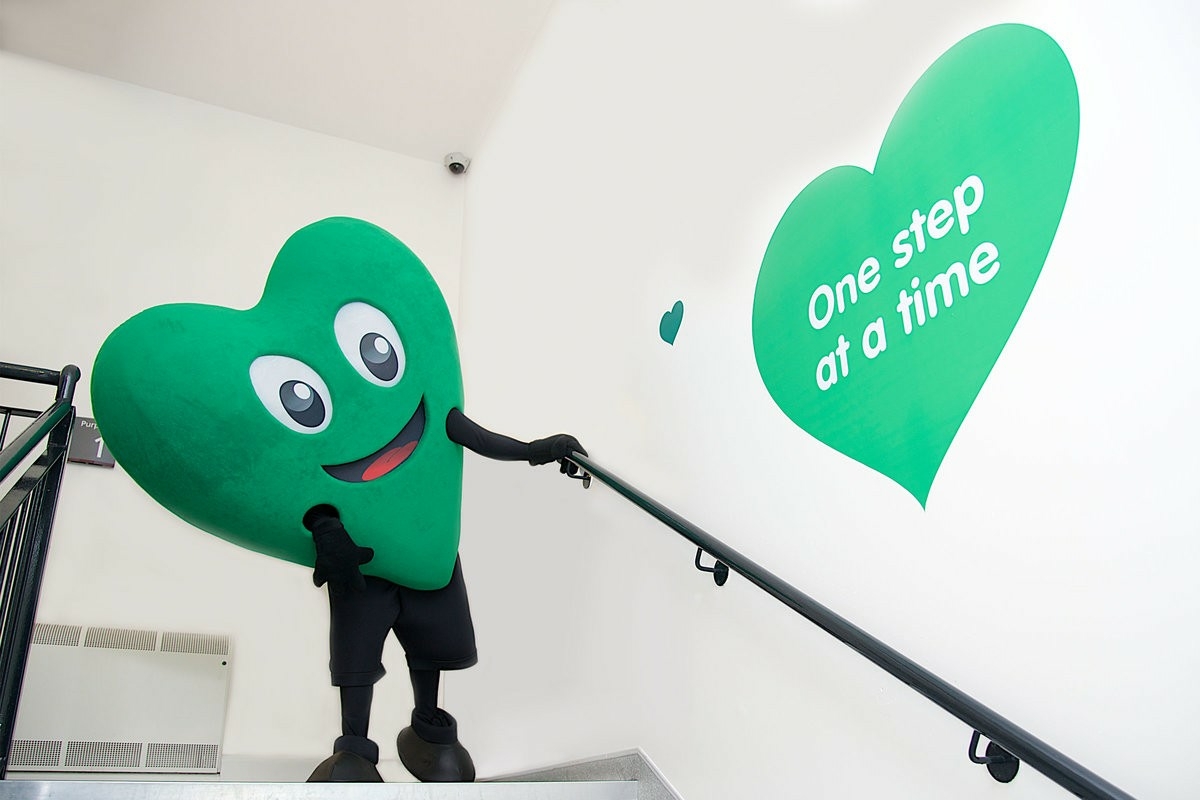
Behaviour change techniques are more than just a tool within sustainability communications - they are the key to successful sustainability communications. When we design messages and plan campaigns that work with human psychology, we make long-term action feel meaningful, accessible and achievable in the present moment.
If you have any challenges around behaviour change and sustainability you would like to talk through with us, please get in touch.