Insights
Inclusive user research: Because every voice matters
At Creative Concern, we know that the best research starts with listening – really listening – to people. Over the years, we’ve talked to all kinds of people for all kinds of projects, from young people shaping cultural strategies to underrepresented voices informing national transport policy.
It's not just about gathering facts and data; it's about uncovering lived experiences and discovering those opportunities that can really change lives. But it also comes with responsibility, which is why we've developed ethical, inclusive research practices to ensure people feel safe, valued, and heard.
In our latest article, Account Director and Client Team Lead Charlotte Griffin-Jones reflects on what we’ve learned, why inclusive research is so important, and how trusting people with their stories is truly a privilege.
I don't do culture.
“No thanks, I don’t do culture.” (Lady to me as I try to grab her for a quick conversation at a coffee shop.)
“Can’t wait to go to the theatre on Friday, what time are we meeting?” (The same ‘no culture’ lady overheard five minutes later talking to her friend.)
I love thinking back to this moment. It was a) a great learning experience, b) humbling, and c) even more evidence at the time to support our evolving hypothesis that ‘culture’ was a misunderstood term and meant little to some.
Over the last few years at Creative Concern I’ve had the opportunity to work on some incredible research and strategy projects. Some have really tested my own knowledge on a subject (as it should), others have brought me to tears (privately) and then there were those that have made me acutely aware of my own privilege and access – to the arts, to transport, to job opportunities and more.
My journey of talking to people – for research purposes – started (many) years ago. We’re talking MySpace time. I’ve done everything from moderating online communities talking about their deodorant habits, to facilitating global research groups online and in-person. I’m glad to say a lot has changed, but, well, not nearly enough.
Walking the talk.
A few years ago we developed our User Research Policy at Creative Concern. As an ethical agency working with charities and public sector clients we are frequently talking to people about sensitive subjects, or digging deep about particular vulnerabilities.
We’ve had conversations with people on subjects such as dealing with grief for Marie Curie UK , domestic abuse intervention for the ReFocus project with Causeway Charity , youth violence intervention for Redthread, and the reality of choosing between food on the table or an expensive train journey.
Often as a team we would come away from these conversations conflicted. Yes, the lived experience and insights gained from these conversations were necessary. In fact, they were vital if we were to truly develop a brand or campaign that resonated with these audiences and made a positive impact. But at what cost? For the ‘user’ and for us as a team.
We knew these conversations needed to continue, but we needed to put a more stringent framework in place to protect the user, to inform and educate the client and to safeguard our team – hence the development of our own protocol.
Within this protocol, along with a number of practical considerations, there is a real emphasis on how we make our research approach as inclusive as possible, and how we communicate this necessity to clients with limited budgets and time.
User research in real life.
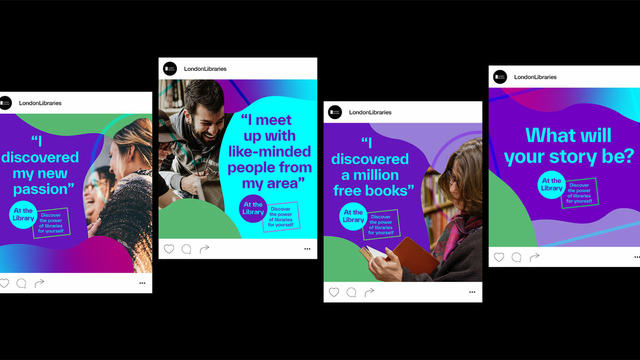
For the development of Manchester’s Art & Culture Strategy we were working within one of the most linguistically diverse cities in the UK. Having an English only survey, available online, was simply not an option. We took the survey, we translated it into ten languages and we went out into their community with interpreters. Similarly, in Birmingham, when delivering the consultation for their cultural strategy against time pressures, we were firm in our response that to talk to the community we needed to utilise existing relationships, rather than barge our way in demanding answers on why culture (that word again!) was important to them and their community. By utilising existing relationships we were welcomed into schools, local neighbourhood groups, community centres and had some truly genuine conversations.
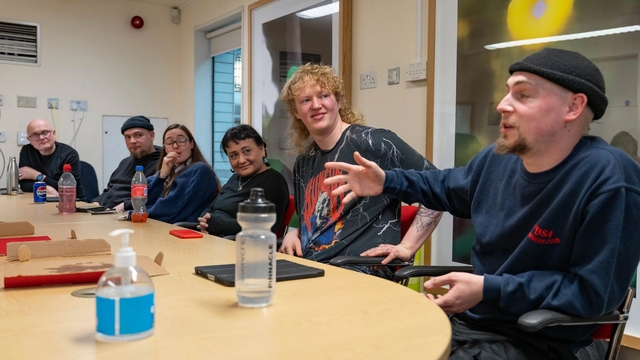
And we also just sat. And we drank tea. And we listened. And we played back what we heard to make sure we were listening enough.
A few months ago, I sat on a call and listened to a gentleman describe the difficult choice between purchasing a daily or weekly bus pass. The daily would be cheaper as he would only purchase it on days of job interviews, but it came at the cost of social interaction – he wouldn’t be able to visit the library on other days, which a weekly pass would enable him to do.
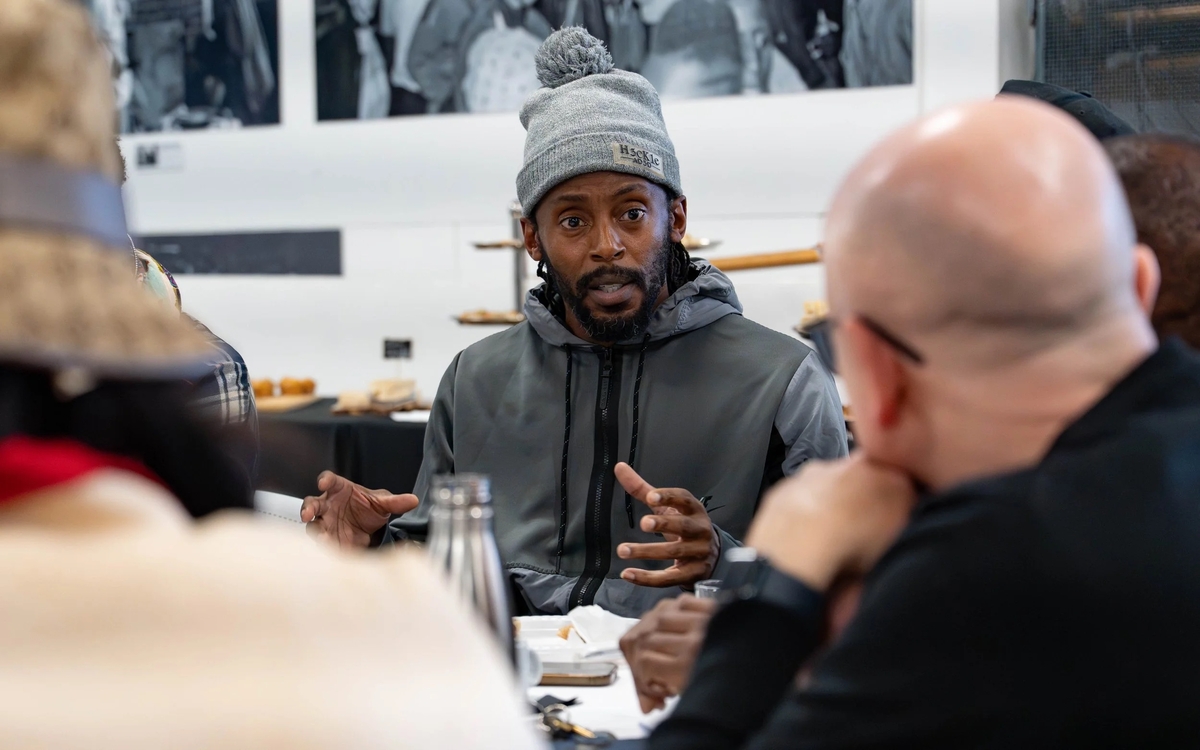
This conversation occurred in one of the seven online focus groups we facilitated to ensure seldom-heard voices were included in the development of a new strategy for a central Government department. The groups include disabled people, neurodivergent users, and younger people, groups previously underrepresented in national consultations. Before we even started those conversations though we needed to ensure the situation was as comfortable as possible for the user – the attendee numbers were small, we increased the time of the session for some groups (and the payment to reflect this), shared the discussion guide in advance, offered sessions to help users familiarise themselves with the online platform used, and specifically asked about any accessibility requirements.
The findings from the groups revealed significant structural and cultural barriers that were not being addressed in the broader strategy, including safety concerns, frustration over ticket price inconsistencies and the role transport can play in limiting opportunities. Without speaking to these people, without them feeling comfortable enough to share their personal experiences, we would have done the future of public transport and those who use it a disservice.
What's next?
As an agency we will consistently advocate for inclusive, ethical research and champion the needs of all users, especially those whose voices are often underrepresented. We’re still learning and evolving in this space – as we should – but nothing is a greater privilege than people trusting you with their stories.
If anything we have discussed here resonates with you and you'd like to discuss it further, or to find out more about our approach, please get in touch.